February 26, 2026
In today's world, ensuring the safety and security of people and property has become paramount. One effective way to achieve this is through the strategic use of fencing. This article explores various aspects of how fencing can enhance safety and security, considering different types, materials, technological advancements, and legal considerations, to offer a comprehensive guide for individuals and organizations looking to improve their perimeter protection. As urban areas grow and property values increase, the necessity for secure boundaries becomes more evident. Ensuring both aesthetic appeal and functionality can make a significant difference in the level of protection a fence provides.
Types of Fencing for Security
Metal Fencing
Metal fencing, often made from steel or aluminum, is known for its durability and resistance to tampering. Its robustness makes it an excellent choice for both commercial and residential properties, capable of withstanding harsh weather conditions and attempted breaches. Many homeowners and businesses opt for metal fencing due to its strength and ability to be customized to fit various design preferences. Furthermore, metal fences can be equipped with additional security features such as barbed wire or spikes, further deterring unauthorized access. According to ArcSite, when asked why they installed a fence, 46% of homeowners cited “feeling safer” as their primary motivation, a sentiment strongly associated with the perceived strength of metal fences.
Wooden Fencing
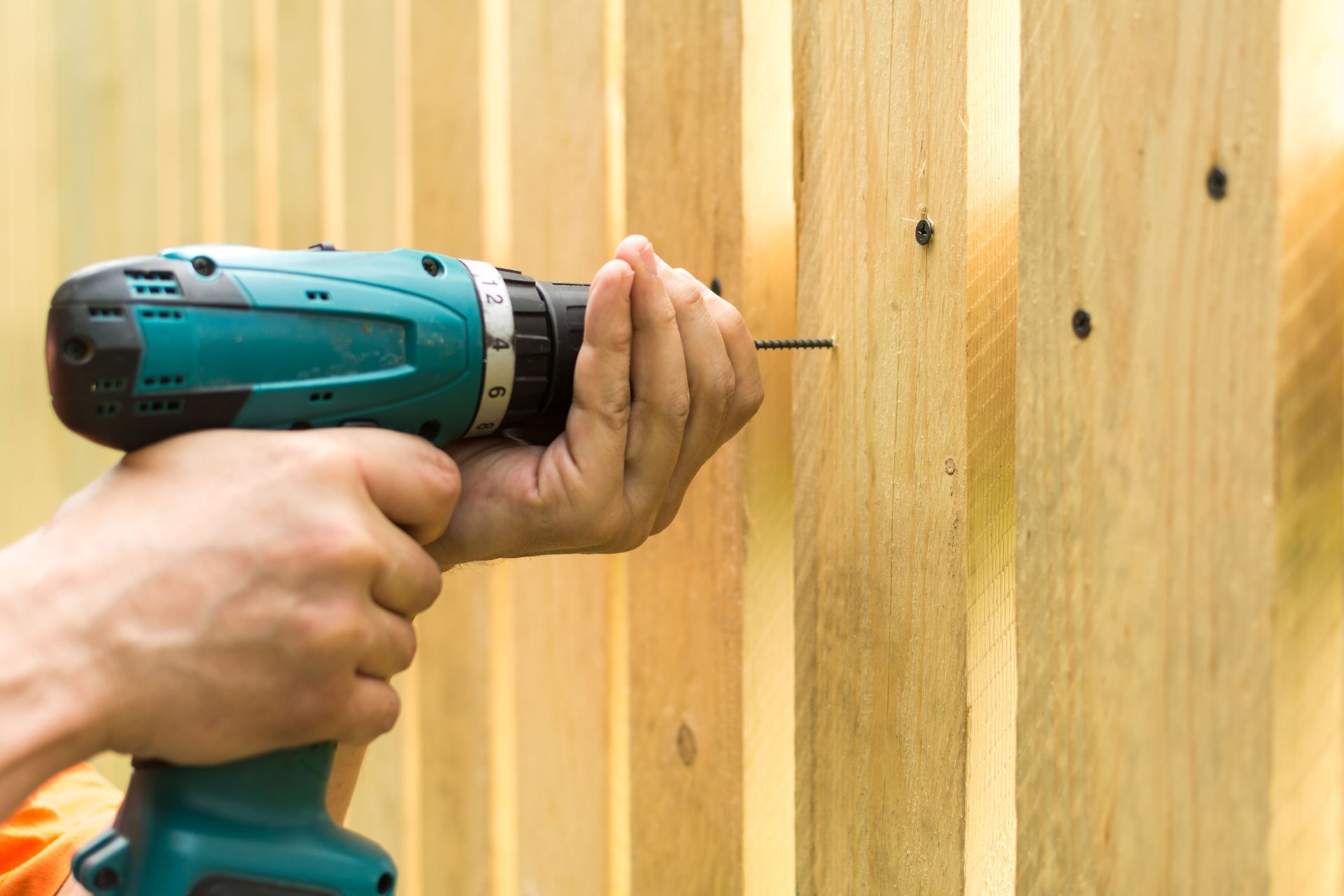
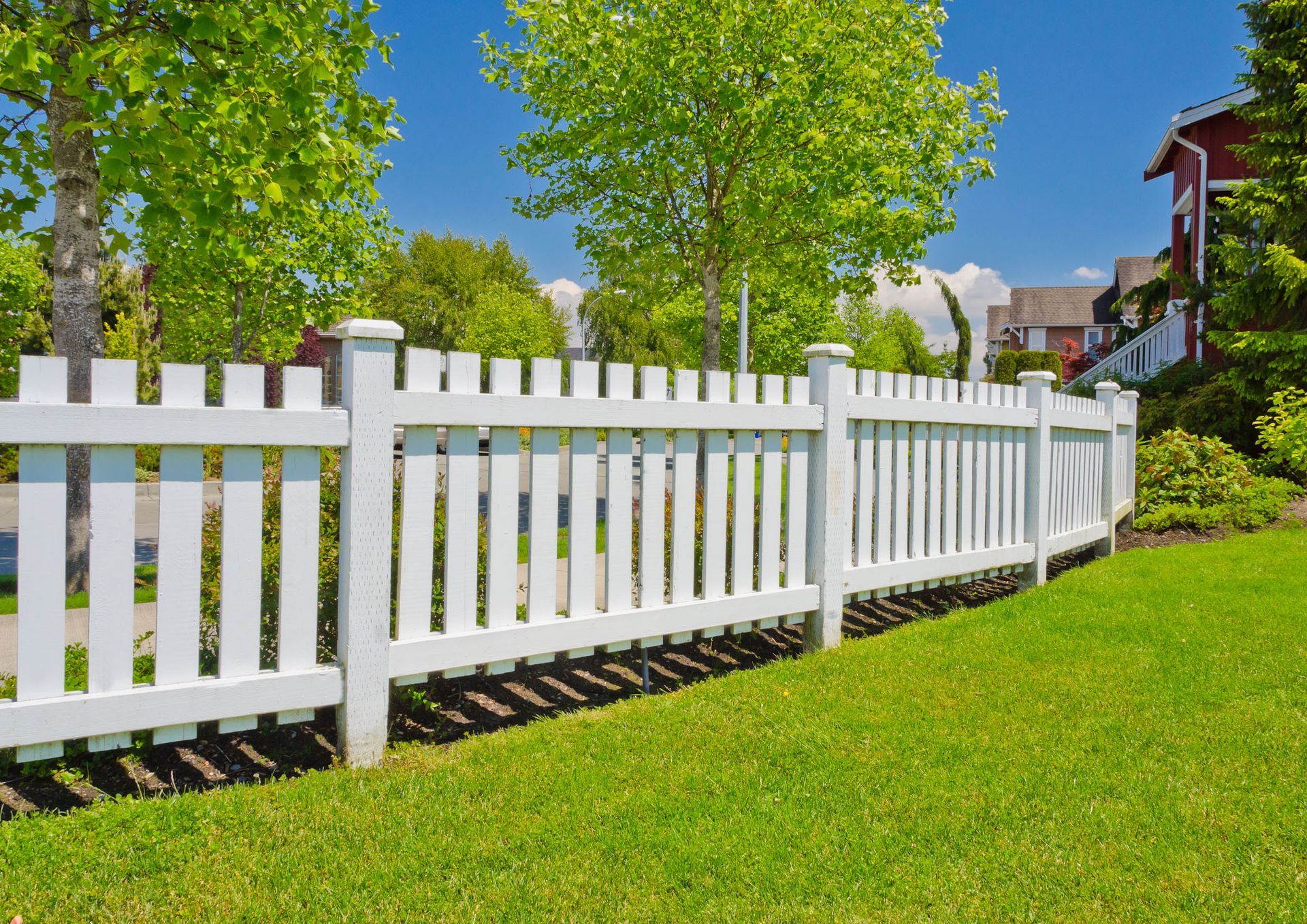
Wooden fencing provides a classic and aesthetically pleasing option for residential properties while offering moderate security levels. This type of fencing is often chosen for its versatility and ability to blend seamlessly with the natural surroundings of a property. Wooden fences can be tailored in terms of height, style, and finish, allowing for a personalized touch that enhances curb appeal. However, wooden fencing requires regular maintenance to prevent deterioration from weather conditions, such as rot and insect damage. Many fence builders encourage routine inspections so small issues are addressed before they reduce strength and stability.
Vinyl Fencing
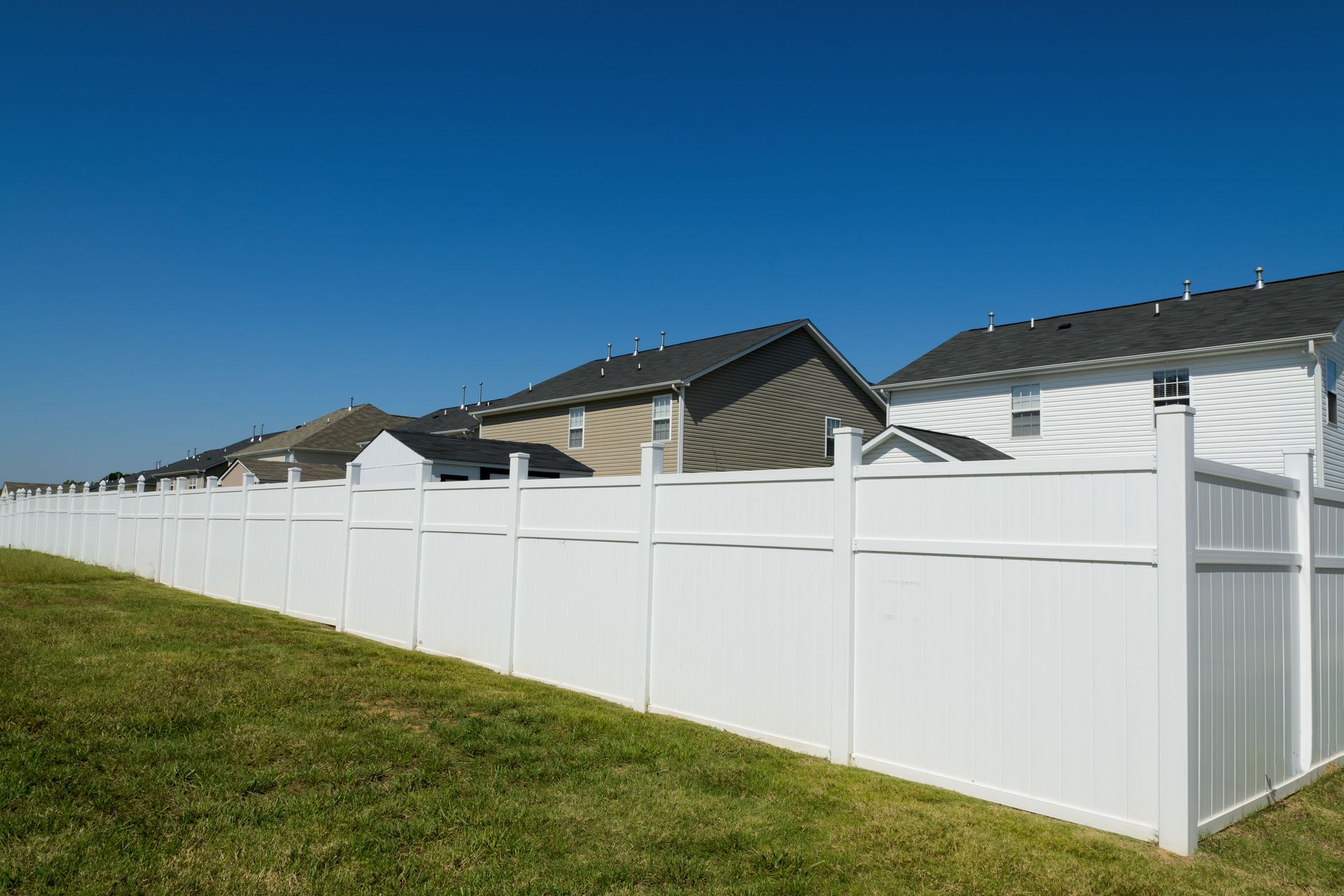
Vinyl fencing offers several advantages, including low maintenance requirements and excellent weather resistance. This synthetic material does not rot, warp, or become infested with pests, making it a long-lasting choice for property owners seeking a hassle-free option. The strength of vinyl fencing can vary based on its construction quality, but high-grade vinyl can provide substantial security while retaining its appearance over time. Vinyl fencing is adaptable to various designs, colors, and textures, providing a modern look that can suit a wide array of property styles.
Electric Fencing
Electric fencing represents an advanced security measure, utilizing a deterrent approach that sends a pulsed electrical shock to potential intruders. This type of fencing is particularly useful in preventing unauthorized access to sensitive areas, such as industrial sites or agricultural properties. When installed correctly, electric fences provide a non-lethal shock that discourages intrusion while maintaining safety standards. Their visibility alone often acts as a strong psychological deterrent. Experienced fence builders can also help position warning signage and control components to support safe operation.
Composite Fencing
Composite fencing combines various materials, such as wood fibers and plastics, to deliver a balanced approach in terms of security, durability, and aesthetic appeal. This fencing option benefits from reduced maintenance requirements and increased resistance to environmental damage. Composite materials are often produced using recycled content, appealing to property owners focused on sustainability without sacrificing strength or appearance.
Key Features of Security Fencing
Height and Visibility
The height of a fence plays a critical role in deterring intruders, as taller fences are more difficult to climb. Security-focused installations often prioritize height while maintaining visibility for monitoring purposes. Striking the right balance between these elements helps ensure compliance with local codes while maximizing protection.
Gate and Access Control
Gates are common points of vulnerability within a fenced perimeter. Reinforced gate construction, secure locking mechanisms, and controlled access systems significantly enhance overall fence performance. Automated gates and keypad or card-based entry systems add both convenience and accountability, and experienced fence builders can recommend hardware upgrades that match the fence’s strength level.
Climbing Deterrents
Anti-climb features such as angled fence tops, narrow spacing, and surface treatments increase the difficulty of breaching a fence. These deterrents extend the time required for intrusion, increasing the likelihood of detection and discouraging attempts altogether.
Material Considerations for Longevity and Strength
Weather Resistance
Environmental conditions play a major role in determining fencing performance over time. Materials such as vinyl, metal, and composite fencing provide superior resistance to moisture, heat, and temperature fluctuations. Selecting materials based on regional climate conditions ensures long-term reliability and security.
Maintenance Requirements
Ongoing maintenance is essential for preserving both appearance and function. Wood fences require periodic sealing or staining, while metal fences may need rust prevention treatments. Low-maintenance options reduce long-term costs and minimize the risk of structural weaknesses, and fence builders often provide maintenance schedules that align with the chosen materials.
Cultural and Aesthetic Considerations
Design Compatibility
Fences should complement the architectural style and landscape of the property. Thoughtful design choices allow fencing to enhance curb appeal while still fulfilling security objectives. Decorative elements can be incorporated without compromising structural integrity.
Community Impact
Engaging with neighbors and adhering to community guidelines fosters positive relationships and smoother project execution. Transparent communication about fence placement and design can prevent disputes and support shared safety goals.
Advancements in Fencing Technology
Smart and Integrated Systems
Modern fencing solutions increasingly integrate technology such as sensors, cameras, and remote monitoring systems. These innovations transform traditional fencing into active security components capable of real-time alerts and data tracking. When paired with other security infrastructure, fences become part of a comprehensive protection strategy.
Legal and Regulatory Considerations
Compliance and Permits
Fence installations must comply with zoning laws, height restrictions, and material regulations. Securing necessary permits and conducting property surveys prevents legal complications and ensures the fence remains compliant over time. Fence builders who regularly work in a specific area are often familiar with common permit requirements and typical code limitations.
Privacy and Ethics
Security fencing should respect privacy rights while protecting property. Designs that limit visibility into neighboring spaces help balance ethical concerns with safety requirements.
The Role of Professional Fence Builders
Professional teams understand material performance, installation standards, and local regulations, reducing the risk of costly errors. Their expertise allows property owners to select fencing systems that align with security needs, aesthetics, and budget constraints.
In addition, fence builders can recommend enhancements such as access controls, reinforcement options, and technology integrations. By leveraging their knowledge, property owners benefit from tailored solutions that provide long-term value. Reliable fence services also streamline the installation process, ensuring projects are completed efficiently and to specification.
Planning and Installation Best Practices
Effective fence installation begins with careful planning and a clear understanding of the property’s security goals. Before selecting materials or designs, property owners should assess risk factors such as foot traffic, visibility, access points, and surrounding land use. A well-planned fence layout accounts for slopes, soil conditions, and drainage patterns, all of which influence long-term stability and performance. Proper planning also helps avoid costly modifications after installation, ensuring that the fence provides consistent protection from the outset.
Fencing remains a foundational element of property security, offering both physical protection and psychological deterrence. By carefully considering fence types, materials, features, and legal requirements, property owners can significantly enhance safety outcomes. Collaborating with knowledgeable fence builders further strengthens these efforts, resulting in durable, compliant, and visually cohesive perimeter solutions that protect people and assets for years to come.