October 28, 2026
A well-built fence does more than define property boundaries. It can enhance privacy, improve security, complement a property's appearance, and provide a dependable enclosure for years to come. Achieving these results requires careful planning, suitable materials, specialized equipment, and skilled installation. Hiring a professional fence builder helps property owners navigate these considerations while ensuring that their fencing project is approached with attention to detail. From evaluating the property to completing the final inspection, professional fence installation involves much more than assembling panels and securing posts.
Evaluate the Property Before Installation
Every fencing project begins with understanding the property and its specific requirements. Ground conditions, existing landscaping, changes in elevation, drainage patterns, and property boundaries can all influence the installation process. Evaluating these factors helps determine the appropriate fence design and identify potential challenges before construction begins.
Professional contractors also consider how the fence will function within its surroundings. A homeowner seeking greater backyard privacy may have different priorities than a commercial property owner looking to establish secure boundaries. Understanding these goals helps guide decisions about fence height, material selection, placement, and overall appearance.
A thorough evaluation can also help identify obstacles that might affect the project. Trees, paved surfaces, underground utilities, and uneven terrain may require adjustments to the installation plan. Addressing these considerations early helps reduce avoidable complications and supports a more organized construction process. Careful planning also helps keep the project aligned with the property owner's expectations and budget.
Use Professional Equipment for Accurate Installation
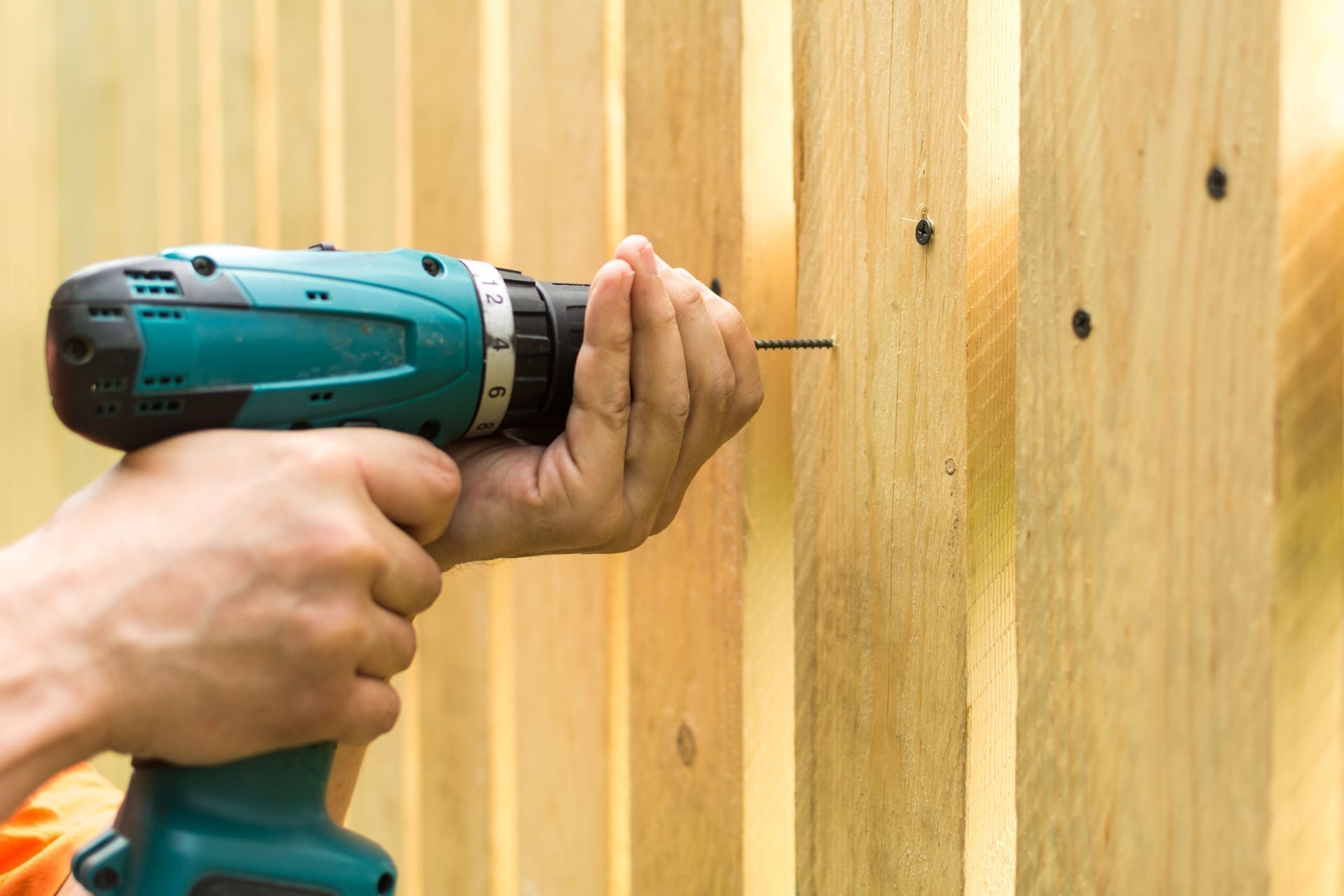
Specialized equipment plays an important role in producing straight lines, consistent spacing, and stable fence posts. Professional installers use measuring instruments, alignment tools, and appropriate digging equipment to establish the fence layout and prepare the ground. These tools help create a consistent installation while accounting for the conditions present at the property.
The equipment selected for a project depends on its size, design, materials, and site conditions. Some properties require machinery capable of handling compacted soil, while others call for more precise equipment to work around landscaping or existing structures. Professional knowledge helps determine which tools are appropriate for the circumstances.
For a professional fence builder, equipment is valuable because of how effectively it supports the installation process. Knowing how to operate machinery, recognize potential problems, and make appropriate adjustments is just as important as having the equipment available. This combination of preparation and technical ability helps deliver a finished fence that looks cohesive and functions as intended.
Select Materials That Suit the Property
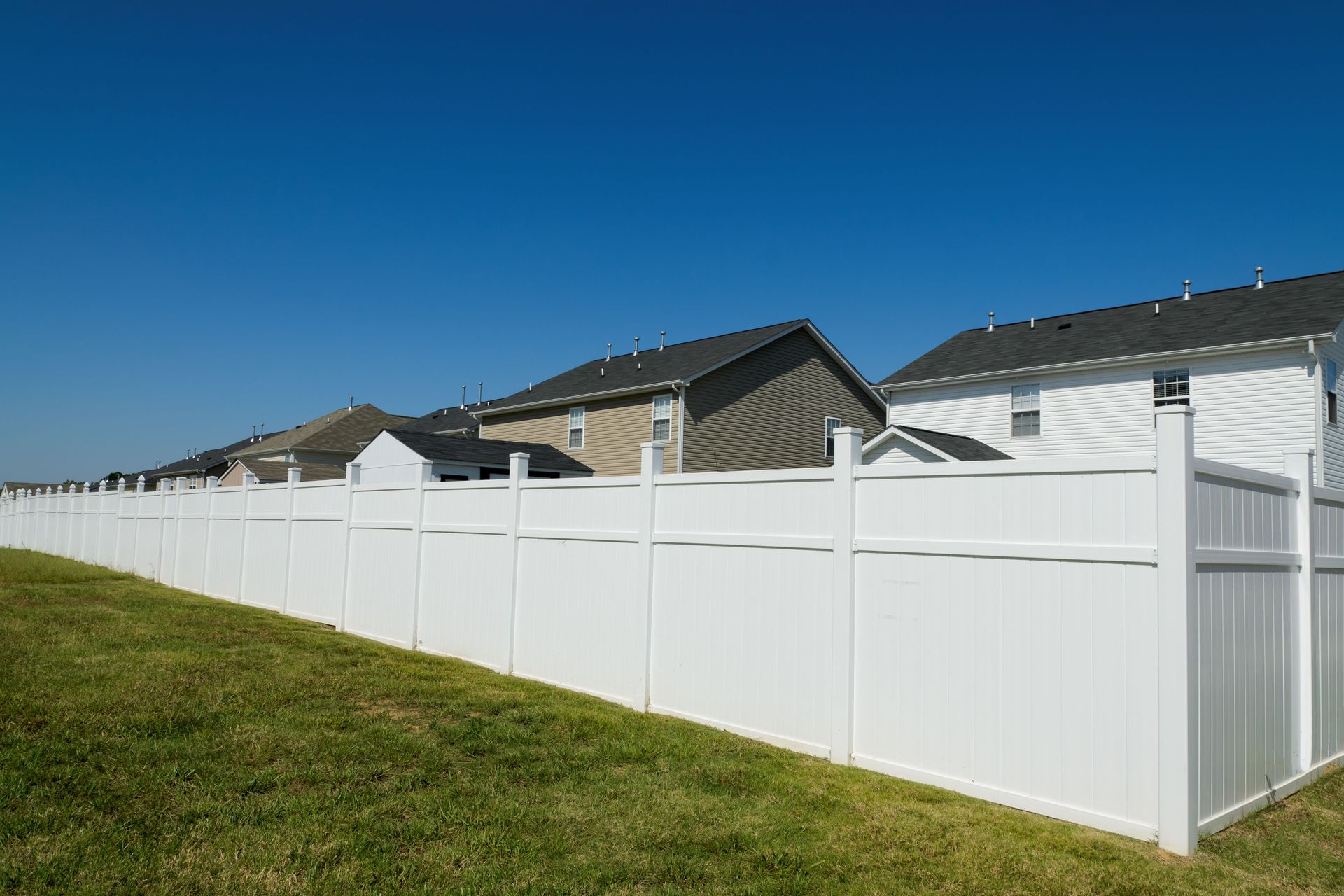
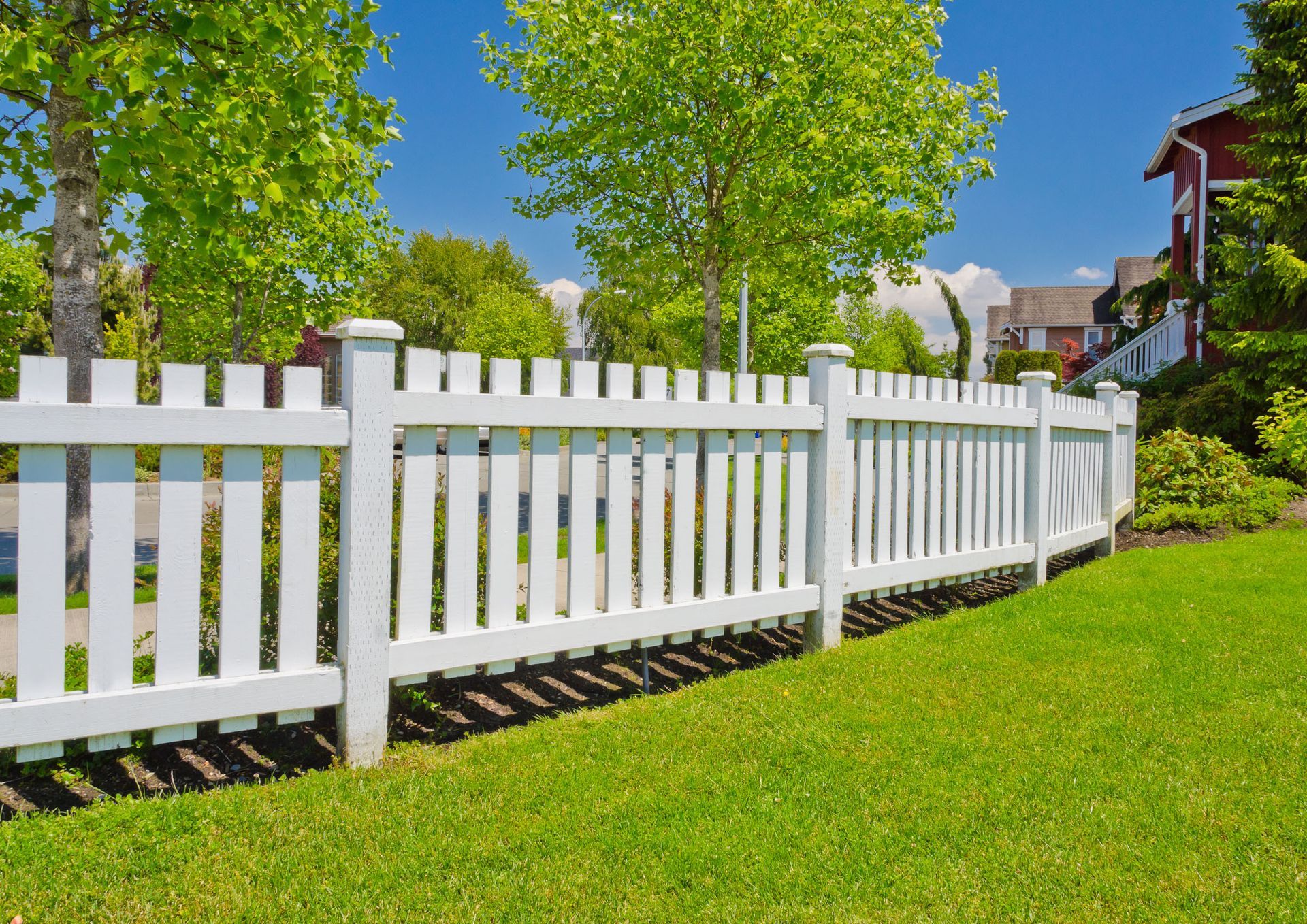
Material selection affects a fence's appearance, durability, maintenance requirements, and overall suitability. Wood offers a traditional appearance that complements many residential properties, while vinyl provides a clean finish and can appeal to owners seeking a relatively low-maintenance option. Chain-link fencing offers practical boundary solutions, particularly where visibility and functional enclosure are priorities.
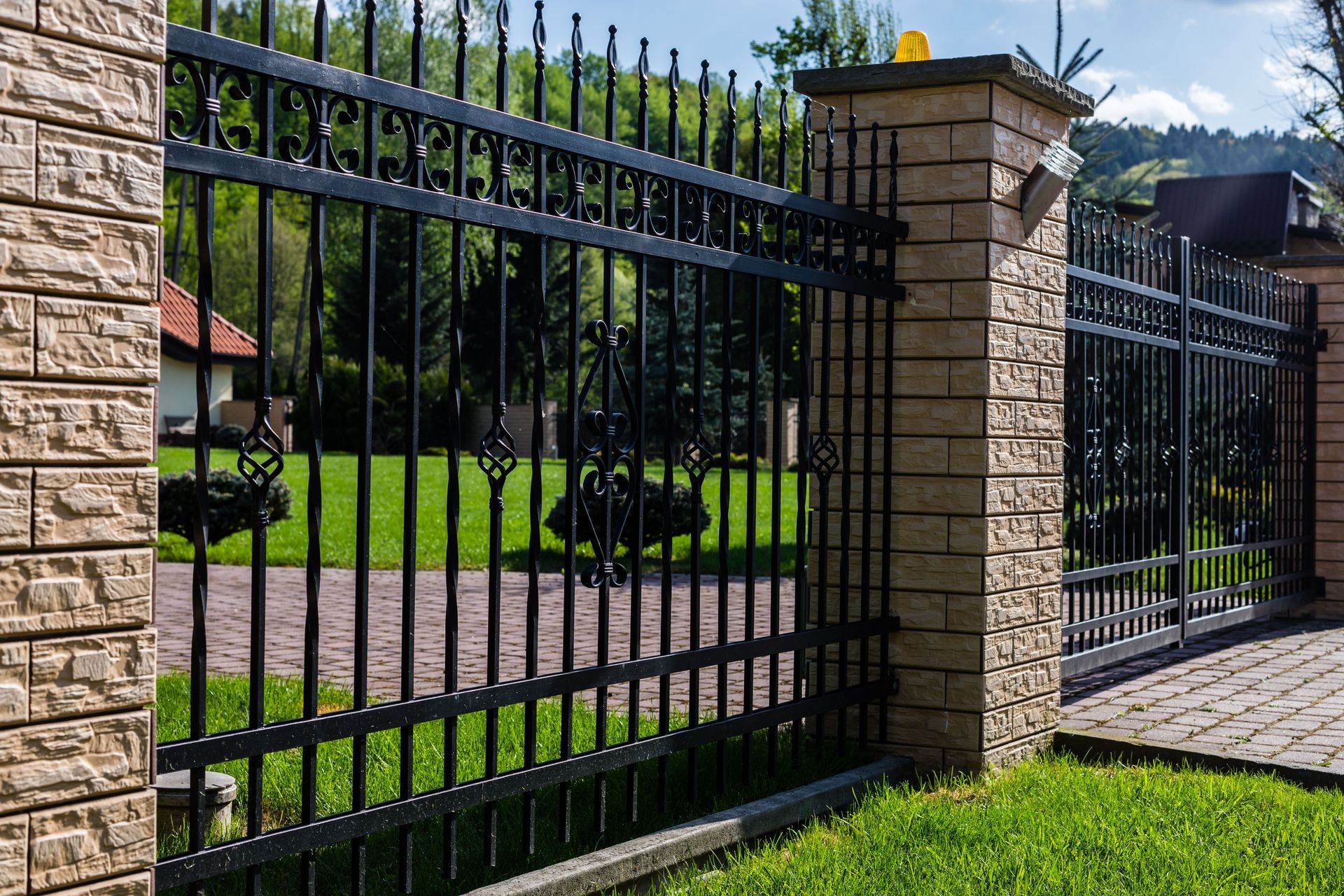
Metal fencing provides another option for properties that require a distinctive appearance and dependable performance. According to Mordor Intelligence, metal fencing accounted for 45.1% of the U.S. fencing market in 2025, demonstrating its substantial presence in the industry. The suitability of metal for an individual property still depends on the intended use, design preferences, environmental conditions, and installation requirements.
Choosing materials involves more than comparing appearances. Contractors consider how products will respond to outdoor exposure, how much maintenance they may require, and whether their structural characteristics suit the project. A knowledgeable fence builder can explain the advantages and limitations of different options, helping property owners make informed decisions based on their priorities.
Adapt the Installation to Ground Conditions
The ground beneath a fence influences its stability and long-term performance. Soil composition, moisture levels, drainage, and changes in elevation can affect how posts are installed and supported. Professional contractors assess these conditions to determine the appropriate installation approach rather than assuming that every property can accommodate the same construction methods.
Sloped terrain presents particular design considerations. Depending on the property's layout and selected fencing system, installers may need to follow the natural grade or use a stepped arrangement. Each approach creates a different visual effect, so the decision should account for the property's appearance, intended function, and the characteristics of the fence materials.
Drainage also deserves careful consideration. Areas that retain water or experience changing soil conditions may require additional planning to help protect the fence's foundation. Addressing these factors during installation can reduce the likelihood of avoidable problems and support better long-term performance. Professional site preparation helps ensure that the finished structure responds appropriately to its surroundings.
Prioritize Structural Integrity and Workmanship
A fence's appearance is important, but its underlying construction determines how well the structure performs. Secure posts, suitable fasteners, properly aligned sections, and appropriate support all contribute to a dependable installation. Even attractive materials can produce disappointing results when components are poorly fitted or the foundation has not been adequately prepared.
Professional installation also requires attention to the details connecting individual sections. Gates must align correctly, hardware must be suitable for its intended purpose, and panels should be positioned consistently. These details affect everyday usability as well as the finished fence's overall appearance. Careful workmanship helps create a cohesive structure instead of a collection of disconnected components.
Quality control continues throughout the project. Installers monitor alignment, check connections, and address irregularities as construction progresses. A final review provides an opportunity to identify concerns, assess the operation of gates, and confirm that the completed installation meets the agreed-upon specifications. This attention to detail helps property owners feel confident about the finished result.
Invest in Professional Service and Long-Term Value
Choosing a fencing contractor involves more than comparing initial project estimates. Property owners should also consider the contractor's communication, understanding of the proposed design, installation practices, and ability to explain material options. Clear expectations help establish a productive working relationship and make it easier to understand how the project will proceed.
A professional contractor can also help property owners evaluate the relationship between upfront costs and ongoing maintenance. Some materials require periodic finishing or additional care, while others are designed to minimize routine upkeep. The best choice depends on the property's needs, the owner's preferences, and the amount of maintenance that is practical over time.
Local conditions and the intended use of the fence should also influence the planning process. A residential property may benefit from a design that balances privacy with curb appeal, while a commercial site may require greater emphasis on access control and clearly defined boundaries. Considering these priorities helps ensure the finished installation serves a practical purpose while complementing the surrounding property and supports lasting property value.
Working with an experienced fence builder can make the overall process more manageable by bringing planning, material knowledge, and installation expertise together. Professional guidance helps property owners navigate site-specific challenges, understand available options, and avoid decisions that may not suit their property's long-term needs. The result is a fence designed around the property's requirements rather than a generic installation approach.
A successful fencing project combines thoughtful design, suitable materials, careful preparation, and professional workmanship. Whether the goal is greater privacy, improved security, or an attractive property boundary, the right contractor can help turn those priorities into a practical solution. Contact Atlanta Omega Fence to discuss your property, explore fencing options, and take the next step toward a professionally installed fence built to complement your space.